5. Gutters And Downpipes Replacement Projects For Any Budget


Tips for Gutters and Downpipes Replacement
Gutters and downpipes protect your home from water damage. When they are damaged or are missing they could cause water to swell around the house and erode the foundation.
It is simple to repair gutters or downpipes that are blocked or broken, or missing. This can increase the value and appeal of your home. A new gutter system can improve drainage and reduce leaks, and will also make the exterior paint last longer.
Cost
If you're planning to upgrade your downpipes and gutters, there are a variety of factors to take into consideration. You'll need to determine the materials, the installation method and the price. It is crucial to choose an experienced installer. Gutter experts have access to specific tools and equipment that make the replacement process and guarantee exact results. In addition, they have the experience and expertise to recommend the best option for your home's unique needs and goals.
It is crucial to replace your downpipes and gutters if they are damaged. This will prevent costly water damage to your house and will protect the roof's integrity. A functioning downpipe and gutter will also prevent the clogging, overflow, and rot in the eaves and fascia board. Keep your drains and gutters clean to prevent debris from clogging them.
Gutter systems are made out of vinyl, aluminum or steel. Aluminum is the most popular choice because it's lightweight and durable. It's also available in a variety of colors and is quite affordable. Steel gutters are more expensive however, they're more durable and long-lasting than aluminum.
The cost of gutters and downpipes varies according to the material used and the size of the system. A new aluminum gutter system, for example, costs between $600 and $870. If you need downspout extensions to direct water away from your home they will add $100 or more to the price. It is also necessary to budget for the installation costs, which are usually based on the length of the downpipes and gutters.
When selecting the colour of your downpipe, it's an ideal idea to match them with the trim colour of your house. This will help prevent downpipes from being visible and may even make them look more attractive. Downpipes that are along trim should be painted the same colour as the trim and downpipes that are in line with the siding should be painted a matching color.
When selecting a gutter replacement service ensure that you receive a an exact quote and references. It's important to find a reputable and licensed roof plumber to install your gutters and downpipes. If they are not installed correctly, it could cause further damage to your home.
Materials
If you're looking to purchase gutters and downpipes, you should consider the material you wish to make use of. Each material has its own advantages and disadvantages, and it's a good idea seek out a professional's assistance in when making a choice. They will explain to you the different types of material and help you choose one that best suits your home's style and needs. The proper gutter can also save you money over the long term by reducing the cost of maintenance.
Downpipes and gutters are available in different materials like copper, aluminum, and vinyl. Some materials can be used to enhance the appearance of your home, while others will increase its value and shield it from water damage. Different materials require varying amounts of maintenance and some are more environmentally friendly than others.
A professional will generally recommend hiring a contractor for the installation of gutters and downpipes. This will ensure a proper installation and avoid potential leaks and other problems. You may be able install your gutters if you've got all the equipment and knowledge.
To begin, you'll need an appropriate ladder that is tall enough to reach your roof, as well as safety equipment, such as gloves and safety glasses. You'll need a drill for drilling holes into brackets as well as connecting gutter pieces. A tape measure is useful to measure the length of gutters. Also, you'll need circular saws or a saw to trim old gutters and replace damaged fascia boards.
The next step is to install the new gutter system with gutter slip joint connectors. Hardware stores sell them in different sizes. After you've put the system together it's time to add downspouts. Downspouts take the rainwater from your gutters and discharge it away from your home which will prevent foundation erosion and other costly issues.
To install downspouts you must first mark the opening of the downspout in the gutter section with a chalk line. Make use of a power tool with a cutting blade made of metal to cut the outline of the channel. Next, attach the downspout U-brackets onto the trim board using pop rivets or screws. Add elbows and extensions to the downspouts as needed to direct the water away from your home. Apply silicone sealant to the seams and ends of caps to prevent leaks.
Placement
Gutters and downpipes form an essential element of the drainage system of a house. They are designed to catch rainwater that falls from the roof and channel it away from the structure. They are also vital in protecting the structure by water. Regular gutter cleaning and maintenance is vital for the long-term durability of downpipes and rain gutters. In addition, proper installation is important for the drainage system to work effectively.
The placement of downspouts is an important aspect of gutter installation that many homeowners do not consider. The downspouts discharge the contents of the gutters to the ground or into the storm drain. They are crucial to prevent water runoff and overflows, which can cause expensive damage to the home's exterior and foundation. Professional installers will determine the location of the downspout to ensure the gutter system is safe and efficient.
A professional installer will look at the terrain of your property and consider any slopes on the property. This will help them determine the right amount of downspouts to put in. The ideal is for a downspout to be installed at least every 25 to 35 linear feet of gutter. This will prevent gutters from overflowing during heavy rains and ensure that they drain properly.
It is also a good idea to use conductor heads and scupper boxes to control the flow of water through downpipes. Conductor heads can be positioned on top of a downpipe to prevent overflow. Scupper boxes are installed where the downpipes come in or out of the wall. Where downpipes cross, Y-connectors are a possibility.
Match the colour of your downpipes to your trim and siding. This will make your home appear more appealing and unified. It is also a good idea, when installing and sealing downpipes to use a high-quality siliconized caulk. You can also install a gutter-hanger that is recessed into the gutter. This will stop it from pulling away. The hangers must be secured using pop rivets or sheet-metal screws in order to stop them from becoming loose over time.
Installation
Keep your gutters and downpipes clean to assist in directing water away from your house. RepairMyWindowsAndDoors reduces the chance of damage caused by flooding erosion, rot and flooding and also shields windows and siding from moisture exposure. It also prevents clogged gutters that can cause leaks. Routine maintenance includes examining for signs of blockage and flushing the hose. If a downpipe is completely blocked, it must be removed to clear obstructions and could need to be replaced.
The second stage in a gutter system is the downpipe. It is used to collect and drain water. They are installed at the end of the gutter run they should be at least a metre away from the foundation of the home so that water can flow the shortest route feasible. Downpipes are available in round or square styles and come in a range of colours. A metal choice, like aluminium, offers longevity and a long-lasting durability. Plastic choices can crack or fade as time passes.
While some homeowners try to install their own guttering and downpipes this is a job that should be left to experts. Gutter contractors possess the equipment as well as the skills and experience to ensure a seamless installation that will last for years. Inexperienced DIYers can overlook essential steps or make errors that could compromise the system's efficiency.
When hiring a gutter company make sure you inquire about their qualifications and insurance policies. A reputable company should provide general liability and workman's comp insurance to protect you from damage caused by the replacement process. They will also work with reputable manufacturers to offer guarantees and warranties for their products and services.
Gutter accessories, such as rainwater heads and leaf catchers can improve downpipe performance by preventing clogging and debris build-up. They can be easily added to existing downpipes, or installed along with the installation of a new gutter. They come in a range of colors that match any home design.
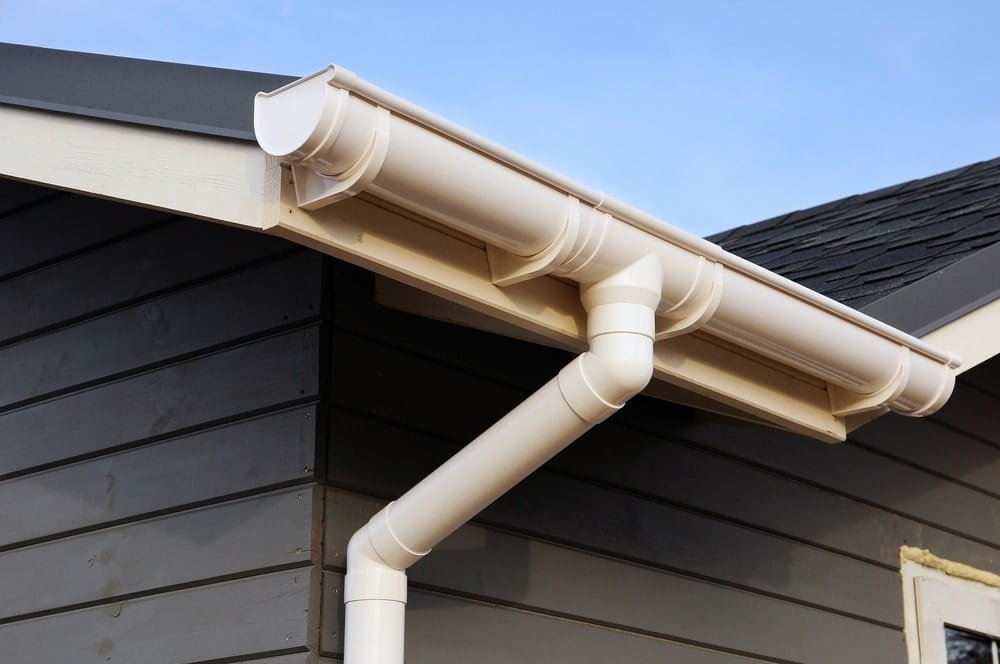
When replacing downpipes, its essential to choose a length that is in line with the length of the guttering. This will ensure that there are no gaps, and that the downpipes are properly aligned to the guttering. It is also a good idea to use a larger downpipe when you reside in an area with rainy weather, as this will increase the drainage capacity and prevent obstructions to the downpipe.